

3D Human-Machine Collaboration Assessment
Core Value
Beyond Esports: Defining Future Potential
Addressing the gap in human-machine collaboration skills and the limitations of traditional assessments, Zhejiang University introduces the first physiological-psychological-cognitive 3D assessment system. We provide scientific, quantifiable data for capability evaluation, potential discovery, and growth optimization across various scenarios.
Academic Authority
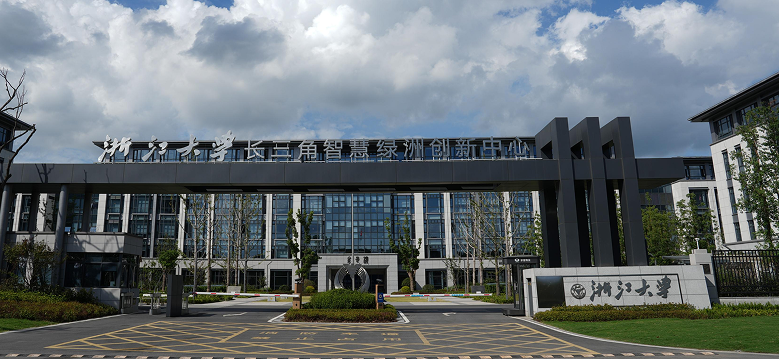
Backed by Zhejiang University
1. Top Academic Resources
Leveraging ZJU's multidisciplinary strengths in communication, computer science, psychology, and sports science. Our framework is based on national research projects and rigorous empirical testing.
2. Interdisciplinary Team
· Academic Lead Yupei Zhao (Vice Dean, College of Media and International Culture, ZJU; National Youth Talent; UNESCO Expert)
· Expert Roster A full-chain research team of PhDs and professors in HCI, data science, neuropsychology, and sports physiology.

3. National Standards
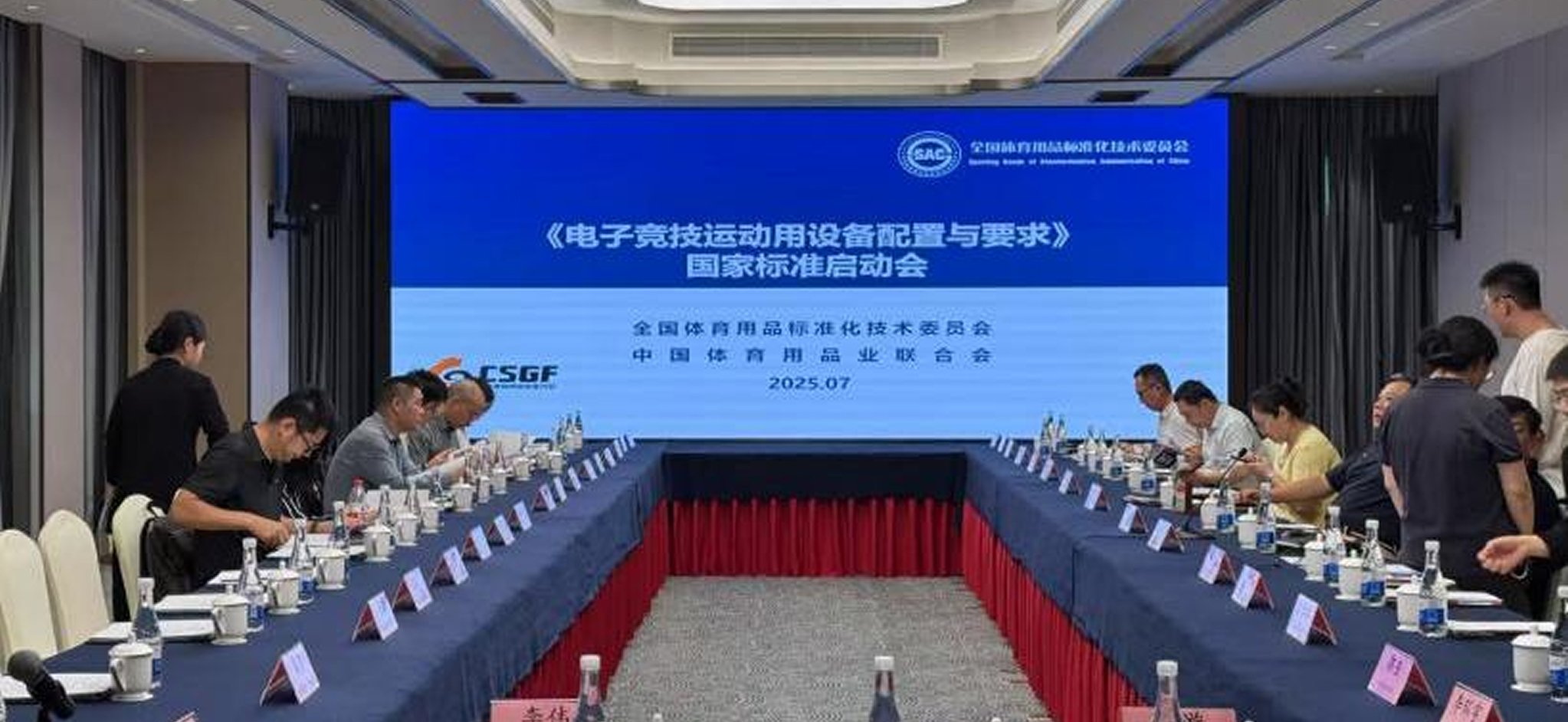
Deeply involved in drafting national standards for esports equipment. Our metrics and models comply with industry benchmarks.
Scientific System
3D Deep Assessment
Core competitiveness lies in physiological adaptation, psychological stability, and cognitive efficiency. Our system targets these bottlenecks:
1. Physiological
Physical Foundation
· Metrics 8 core signals including pulse, skin resistance, temperature, acceleration, HRV, and respiration.
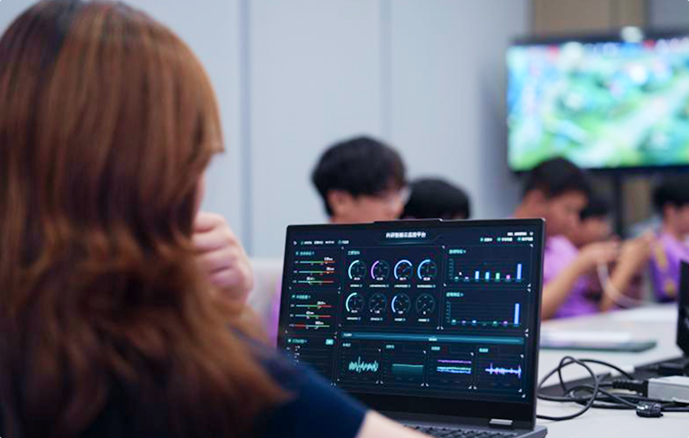
· Technology ZJU's self-developed multimodal sensors, heart rate monitors, and sleep trackers for synchronized data collection.
· Value Identifies physiological adaptation, fatigue thresholds, and stress responses to optimize HCI.
2. Psychological
Mental Resilience
· Tools 8 core signals including pulse, skin resistance, temperature, acceleration, HRV, and respiration.
· Metrics ZJU's self-developed multimodal sensors, heart rate monitors, and sleep trackers for synchronized data collection.
· Value Identifies physiological adaptation, fatigue thresholds, and stress responses to optimize HCI.
3. Cognitive
Core Efficiency
· Tasks 24 precise tasks including 2-back, GoNogo, multi-object tracking, and hand-eye coordination.
· Metrics Processing speed, attention allocation, cognitive flexibility, working memory, and interference resistance.
· Value Pinpoints cognitive bottlenecks to improve interaction efficiency and reduce errors.
Tech Advantage
Advanced Equipment & Algorithms
· Multimodal Sync Supports EEG, eye-tracking, EMG, and facial expression data with millisecond synchronization.
· Smart Analysis Machine learning algorithms calculate 86 core features, generating visual reports and trend charts.
· Cross-Scenario Customizable modules for esports, drone piloting, smart driving, military tasks, and industrial operations.
Practical Results
Extensive Empirical Validation
1. Solid Data Support
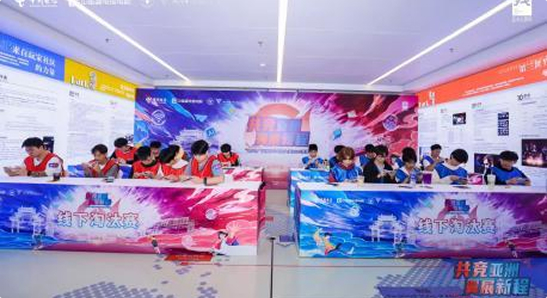
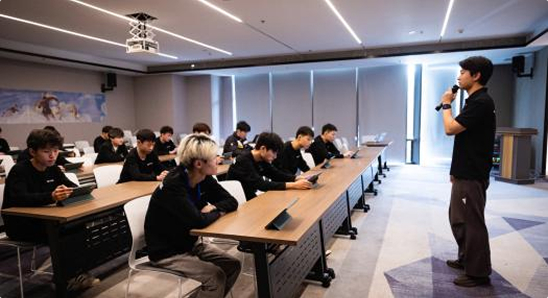
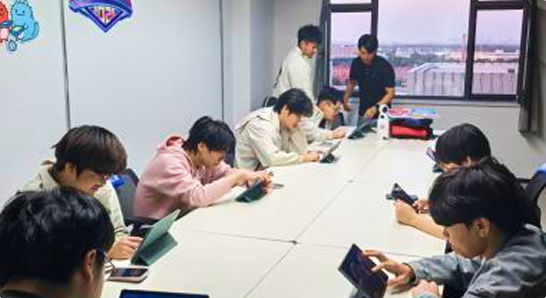
Conducted experiments in CF U21, TLG Club, and Asian Youth Esports Games, collecting 2000+ valid datasets. Validated at an international advanced level.
2. Diverse Applications
· Esports Pro player profiling, youth scouting, personalized training.
· Smart Driving Driver HCI adaptation and risk warning.
· Military Talent selection and training evaluation for complex tasks.
· Industry Operator capability testing and efficiency optimization.
· Personal Growth Discover HCI potential and guide career development.
Join Now
Unlock Your Report
Backed by ZJU's research, this assessment is your guide to future competitiveness. Book now to advance your human-machine collaboration skills!